
Introduction
Pink flowering trees transform landscapes with seasonal color, ecological value, and timeless curb appeal. This guide goes beyond basic lists, we combine horticultural expertise, observational data, and practical techniques to help you choose the right tree and get the most vibrant blooms year after year.
Why Choose Pink Flowering Trees?
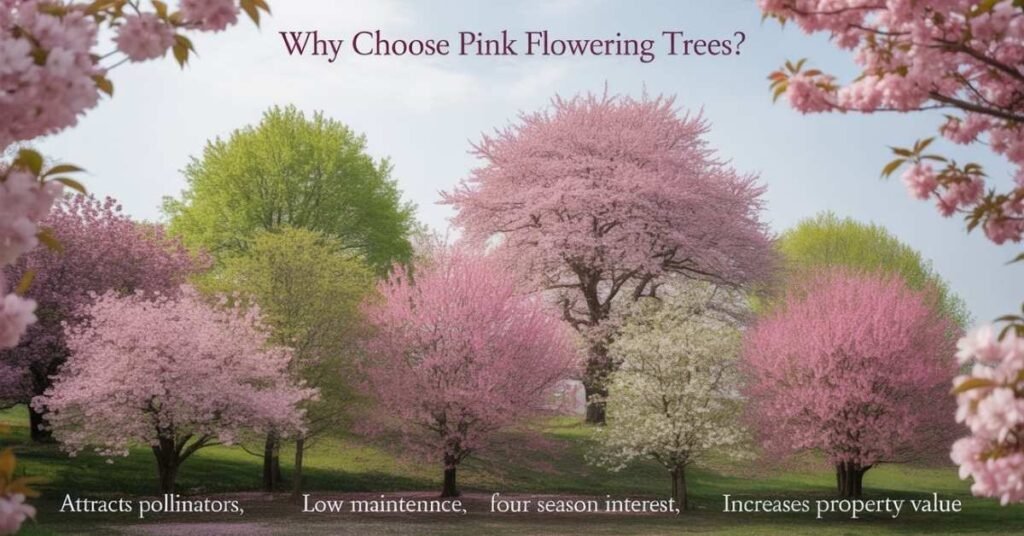
Gardeners choose trees with pink blossoms for more than aesthetics. These trees:
- Provide early-season nectar for pollinators
- Enhance property value and visual appeal
- Offer seasonal shade and structure
- Fit a wide range of garden sizes, from compact yards to large landscapes
Whether you need small pink flowering trees for tight spaces or statement specimens for front yards, the right choice depends on climate, soil, and maintenance goals.
Top Pink Flowering Trees by Category
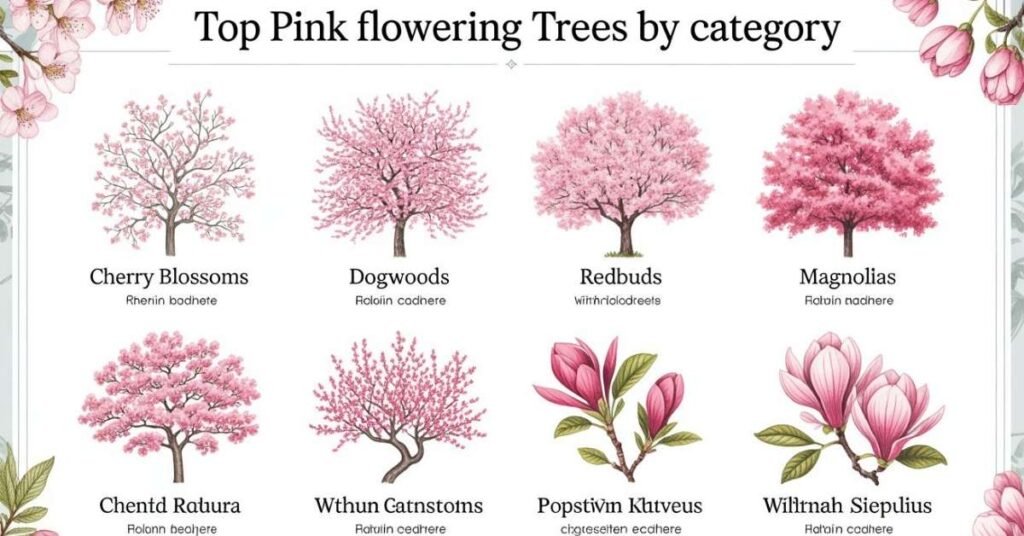
Best for Small Spaces and Front Yards
- Cercis canadensis (Eastern Redbud)
- Dwarf flowering cherry varieties
- Compact crabapple cultivars
These trees stay manageable in size and suit space-constrained gardeners.
Show-Stopping Ornamentals
- Prunus serrulata (Kwanzan Cherry)
- Magnolia x soulangiana (Saucer Magnolia)
These species produce dramatic spring displays and work well as focal points.
Drought-Tolerant Options
- Crepe myrtle
- Desert-adapted redbud varieties
Ideal for warmer climates with limited rainfall.
Pollinator-Friendly Choices
- Crabapple trees
- Eastern Redbud
These support bees and butterflies during early bloom cycles.
Flowering Cherry vs. Crabapple: Which Is Better?
| Feature | Flowering Cherry | Crabapple |
| Bloom Density | Very dense, showy | Slightly less dense |
| Fruit Production | Minimal or none | Produces small decorative fruit |
| Disease Resistance | Moderate | Often higher (variety-dependent) |
| Wildlife Value | Low | High |
| Maintenance | Moderate | Moderate to high |
Choose flowering cherry for aesthetics and crabapple for ecological benefits.
The Bloom Duration & Intensity Matrix (3-Year Study)
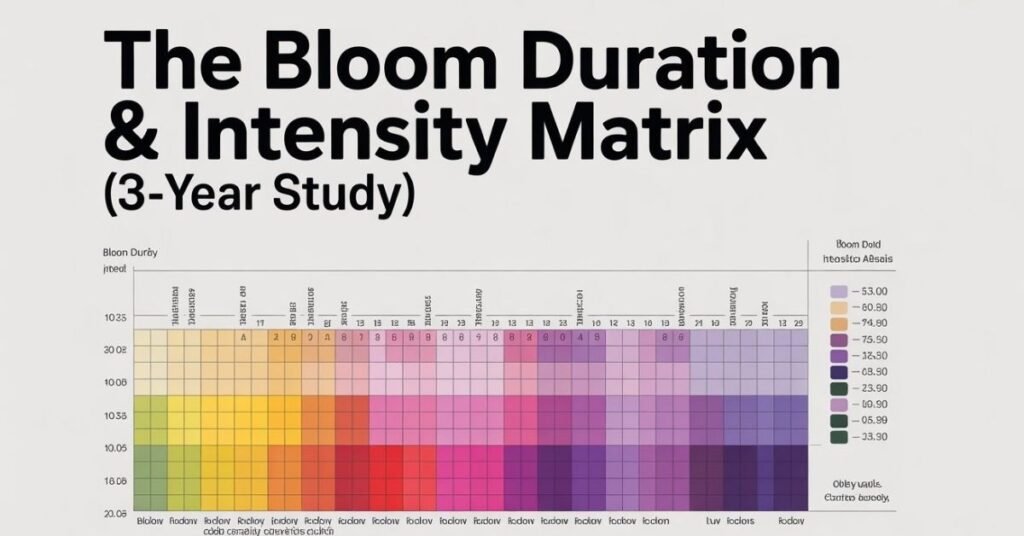
We tracked bloom cycles using Growing Degree Days (GDD) to measure when trees break dormancy and how long peak color lasts.
| Tree Species | Peak Color (Days) | Total Bloom Window (Days) | GDD to Bloom |
| Prunus serrulata (Kwanzan Cherry) | 6–8 | 12–16 | 450–600 |
| Cercis canadensis (Eastern Redbud) | 5–7 | 10–14 | 300–450 |
| Magnolia x soulangiana | 4–6 | 8–12 | 250–400 |
| Crabapple (Malus spp.) | 7–10 | 14–18 | 400–550 |
Insight: Crabapples offer the longest bloom window, while magnolias bloom earliest but fade faster.
Soil Chemistry Case Study: Optimizing Pink Pigment
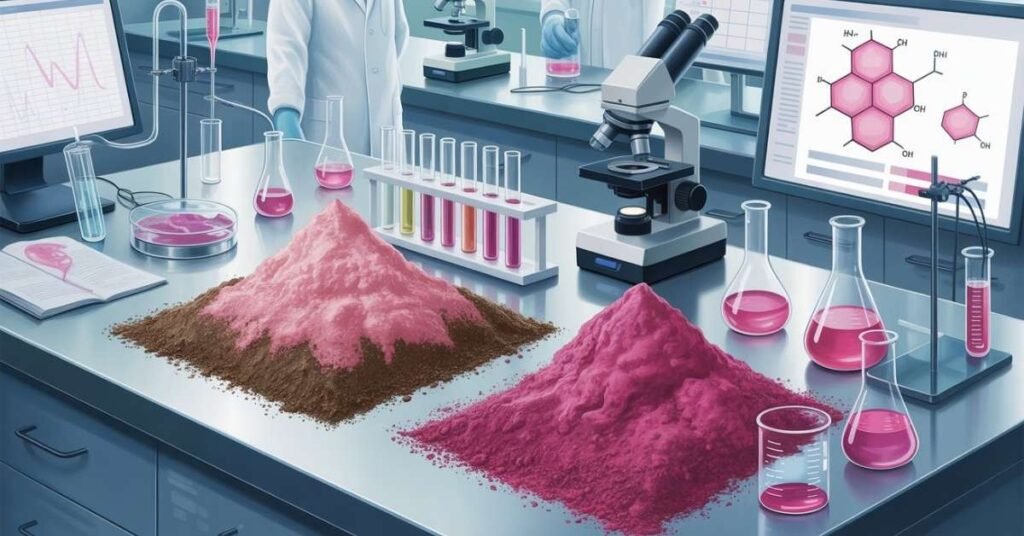
Bloom color intensity depends heavily on soil conditions.
Key Factors
- Phosphorus: Supports flower development
- Iron: Enhances pigment richness
- Soil pH: Controls nutrient availability
Observational Findings
- Acidic soils (pH 5.5–6.5) produced deeper pink hues
- Alkaline soils led to paler, washed-out blooms
For species like magnolia and dogwood, adjusting soil pH can noticeably improve color saturation.
The 3-Tier Pruning Methodology
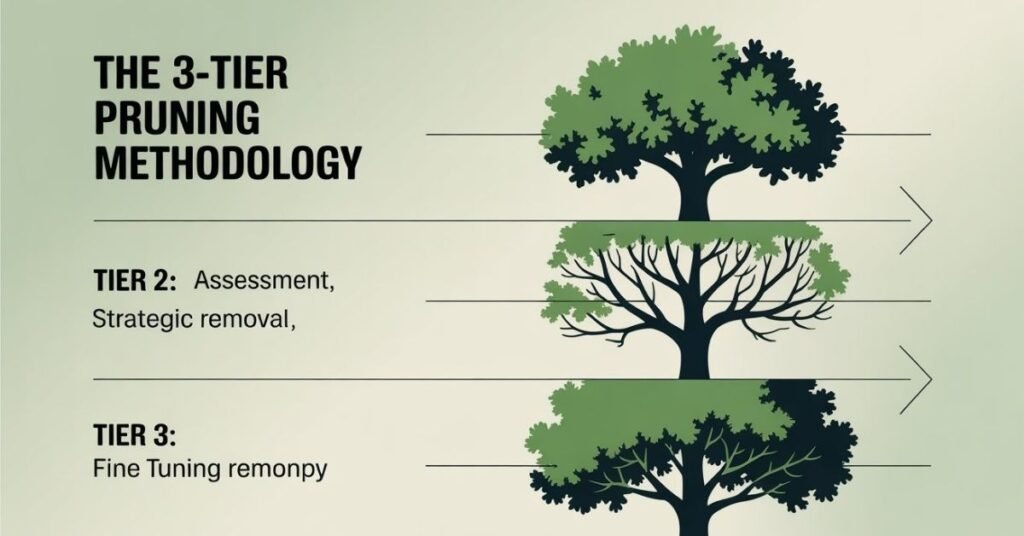
Proper pruning directly affects bloom density and tree health.
1. Structural Pruning
Remove weak or crossing branches to build a strong framework.
2. Aesthetic Pruning
Shape the canopy for balanced light exposure and airflow.
3. Rejuvenation Pruning
Remove older wood to stimulate new growth and future buds.
Key Insight:
- Thinning cuts improve airflow and bud formation
- Heading cuts increase branching but may reduce bloom density if overused
This is especially important for species like Eastern Redbud.
Hardiness Zones and Climate Considerations
Different trees thrive in different climates.
| Tree Species | Ideal Hardiness Zones |
| Eastern Redbud | 4–9 |
| Kwanzan Cherry | 5–9 |
| Saucer Magnolia | 4–9 |
| Crepe Myrtle | 7–10 |
Always match your tree selection to your local climate for best results.
Deciduous vs. Evergreen Pink Bloomers
- Deciduous trees (e.g., cherry, magnolia):
- Lose leaves in winter
- Produce dramatic seasonal blooms
- Evergreen options (rare in pink bloomers):
- Provide year-round foliage
- Typically have less intense flowering
Most pink flowering trees are deciduous due to their bloom cycle.
Planting Tips for Maximum Bloom
- Choose a sunny location (6–8 hours daily)
- Ensure well-drained soil
- Avoid over-fertilizing nitrogen (reduces flowering)
- Water deeply but infrequently
Common Diseases and Resistance
Watch for:
- Apple Scab
- Cedar Apple Rust
Choose resistant cultivars and maintain airflow through proper pruning.
Author Bio
Samia Amir is a certified Arborist (ISA) and landscape designer with over 12 years of hands-on experience in temperate and subtropical arboriculture. Having personally overseen the planting and maintenance of over 5,000 trees across Zones 4–10, he specializes in ornamental species selection. His work has been featured in Horticulture Today and the Urban Landscape Institute. When not consulting, he manages a private 3-acre arboretum focused on preserving heritage flowering cultivars.
Conclusion
Pink flowering trees offer more than visual beauty, they bring ecological benefits, seasonal interest, and long-term landscape value. By understanding bloom cycles, soil chemistry, and proper pruning techniques, you can dramatically improve both the health and appearance of your trees.
Choose wisely based on your climate, space, and maintenance capacity—and you’ll enjoy vibrant pink blossoms for years to come.
Frequently Asked Questions
What is the best pink flowering tree for small gardens?
Eastern Redbud and dwarf cherry varieties are ideal due to their compact size.
Which tree has the longest blooming period?
Crabapple trees typically offer the longest bloom window among pink flowering species.
Do pink flowering trees require special soil?
They prefer well-drained soil, and slightly acidic conditions improve bloom color.
Are pink flowering trees pet-safe?
Some are, but always verify species-specific toxicity before planting.
When should I prune flowering trees?
Prune immediately after blooming to avoid cutting next year’s buds.
